Climate Justice Through Youth Work and Creative Action
- Apr 28
- 2 min read

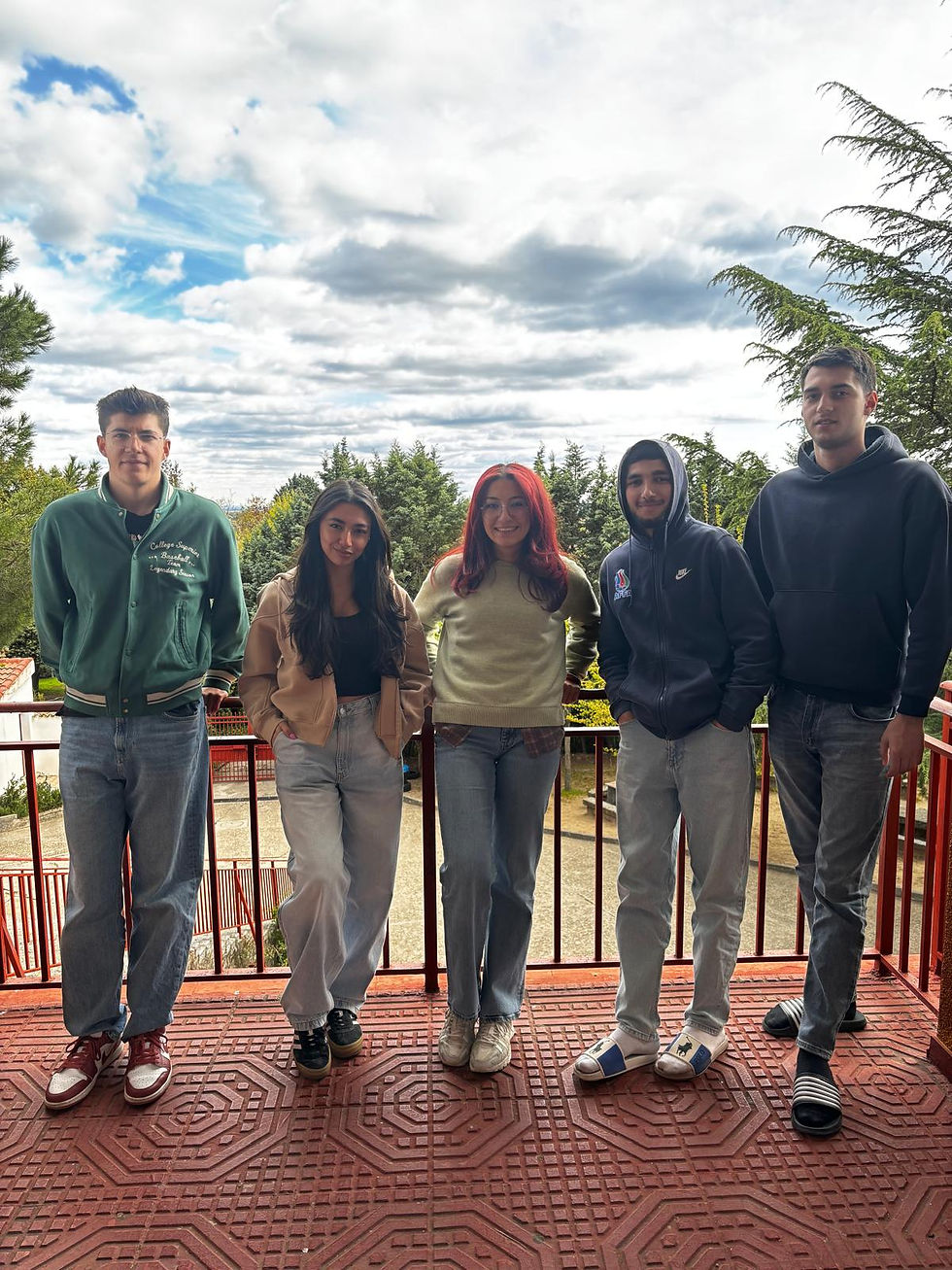
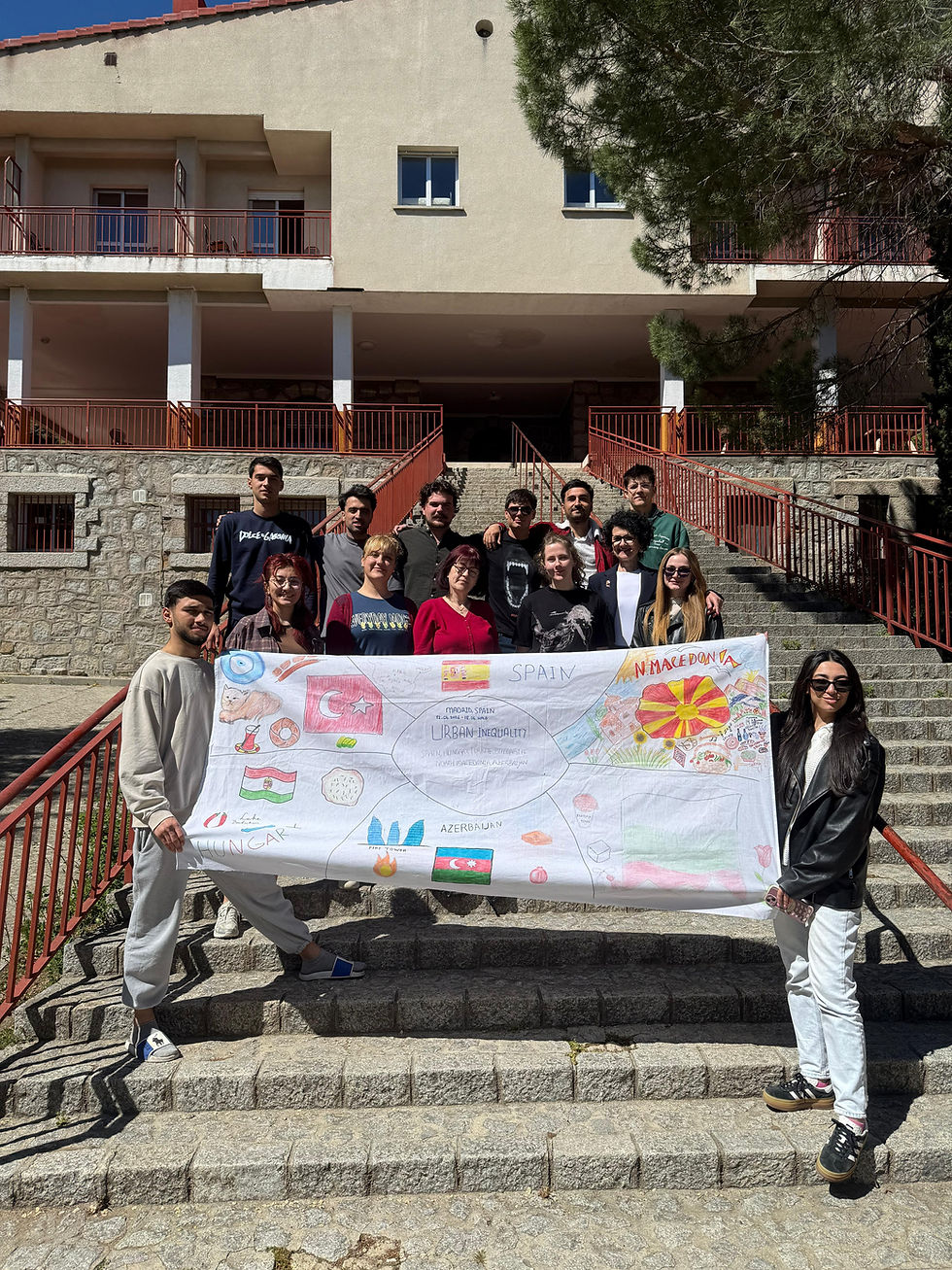
Urban Inequality is an Erasmus+ KA153 – Mobility of Youth Workers project (Project No: 2025-3-ES02-KA153-YOU-000373499) organized by KUFF Refugees and Minorities Solidarity Association. The project took place in Madrid, Spain, between 12–18 April 2026, bringing together participants from Spain (KUFF Refugees and Minorities Solidarity Association), Türkiye (İsrafla Mücadele Platformu), the Republic of North Macedonia (OOU Vlado Tasevski), Hungary (Phoenix Rising Youth), Azerbaijan (Modern Youth Public Union), and Bulgaria (I am you peace global). Through non-formal education methods, the mobility strengthened youth workers' capacities to address the urban heat island effect, environmental justice, and social inequality while promoting active citizenship, sustainable urban development, and international cooperation.
Participants explored the responsibilities of youth workers in raising awareness about climate justice and environmental inequality. Interactive presentations and discussions demonstrated how non-formal education, neighborhood observations, participatory mapping, and community-based initiatives can empower young people to recognize environmental challenges and actively contribute to positive change. These activities enhanced participants' understanding of rights-based youth work and encouraged them to become facilitators of local environmental action.
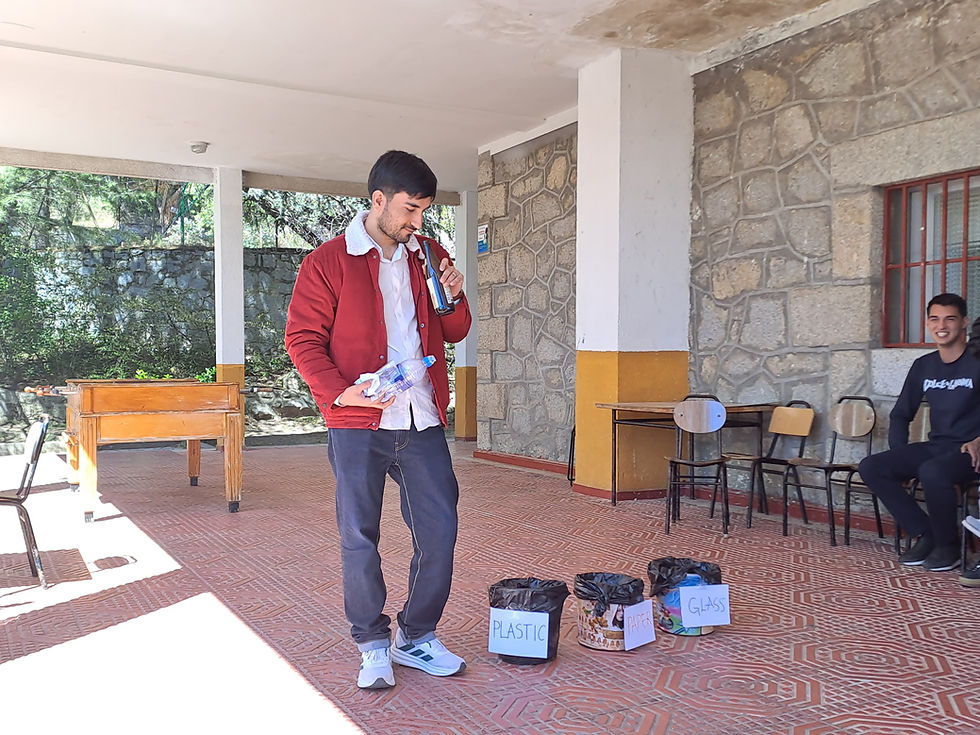
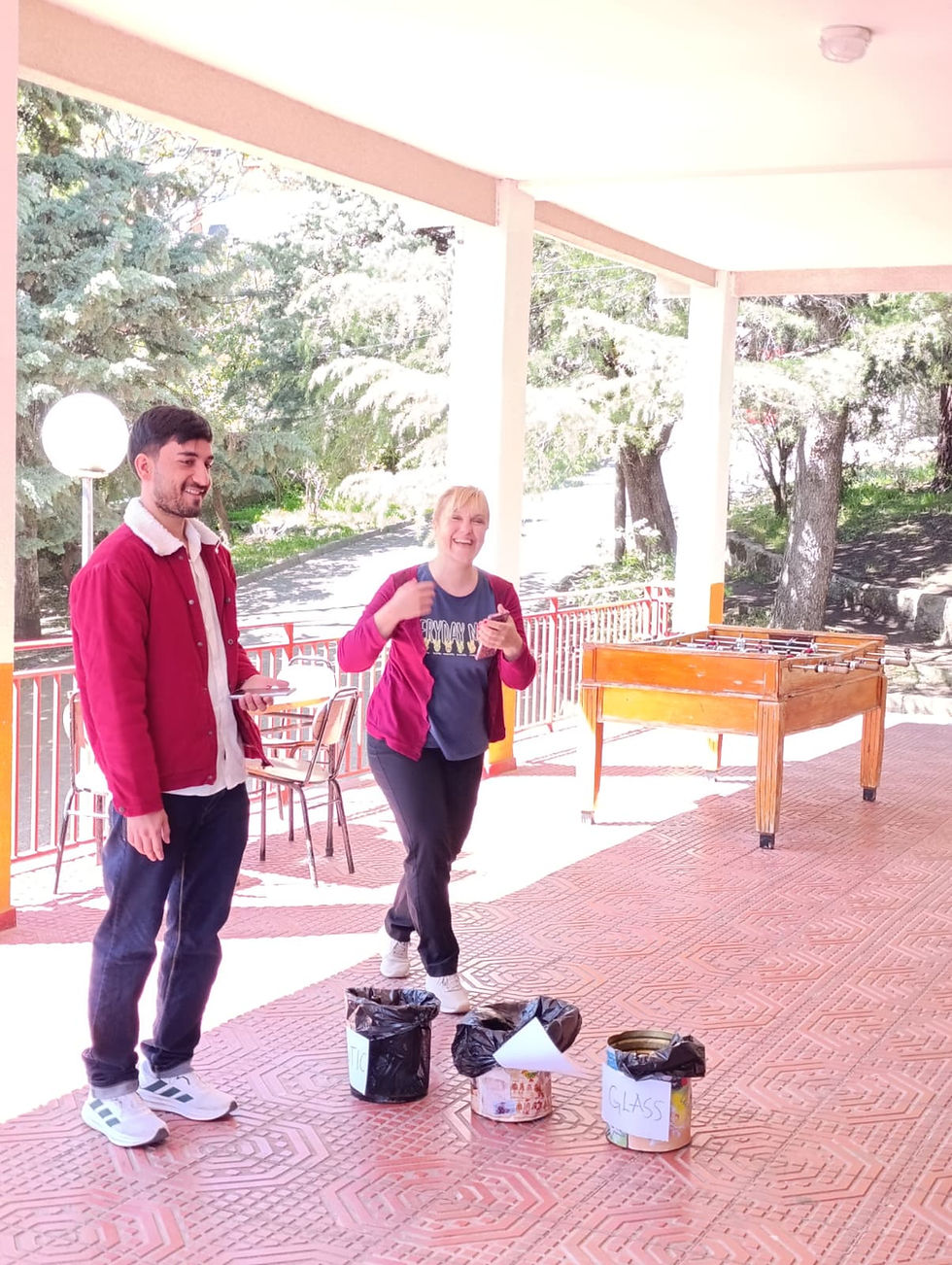
Experiential learning played a central role in helping participants understand the human impact of unequal urban environments. Through forum theatre, they examined situations in which access to shaded and cooler public spaces was distributed unfairly, particularly affecting vulnerable communities. By intervening in the performances and proposing alternative solutions, participants strengthened their empathy, critical thinking, communication, and collaborative problem-solving skills while exploring practical approaches to climate justice.
The programme also encouraged participants to design realistic recommendations for creating healthier and more inclusive cities. Collaborative discussions focused on community-led initiatives such as expanding green spaces, improving access to shaded areas, promoting sustainable neighborhood planning, and encouraging young people to participate in local decision-making processes. These activities reinforced participants' ability to transform environmental challenges into practical and achievable actions while highlighting the importance of shared responsibility and civic engagement.
Creative storytelling and reflective evaluation enabled participants to connect environmental issues with everyday human experiences. By writing stories from the perspectives of individuals with different social backgrounds, participants developed a deeper understanding of how climate change affects communities unequally. Sharing these stories, exchanging feedback, and evaluating their personal learning journey strengthened intercultural understanding, environmental awareness, and confidence in applying non-formal education methods to promote equality, inclusion, and climate resilience within their own communities.