Urban Inequality: Understanding Climate Justice Through Urban Perspectives
- Apr 23
- 2 min read
Updated: Jul 10




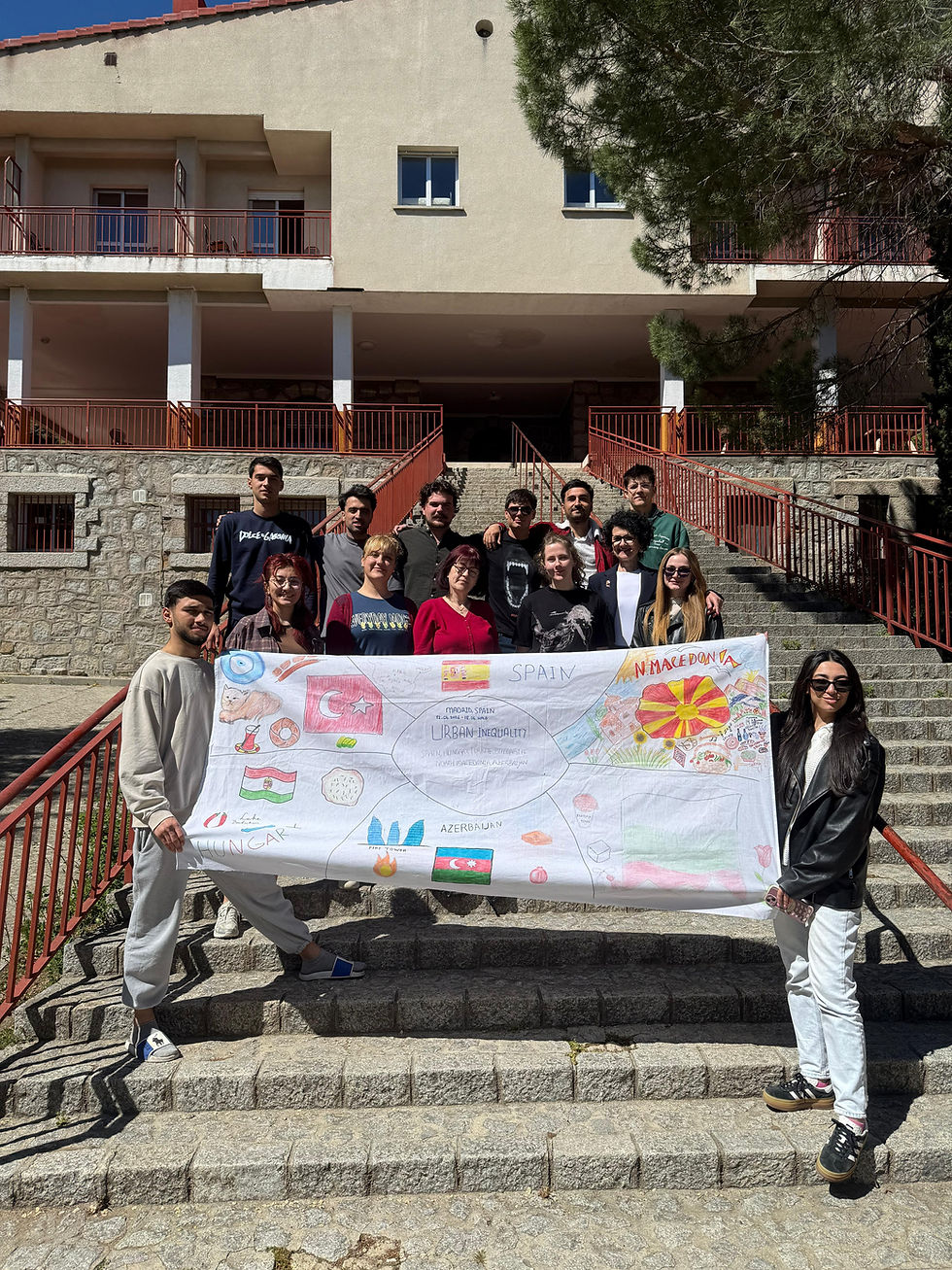
Urban Inequality is an Erasmus+ KA153 – Mobility of Youth Workers project (Project No: 2025-3-ES02-KA153-YOU-000373499) organized by KUFF Refugees and Minorities Solidarity Association. The project took place in Madrid, Spain, between 12–18 April 2026, bringing together participants from Spain (KUFF Refugees and Minorities Solidarity Association), Türkiye (İsrafla Mücadele Platformu), the Republic of North Macedonia (OOU Vlado Tasevski), Hungary (Phoenix Rising Youth), Azerbaijan (Modern Youth Public Union), and Bulgaria (I am you peace global). Through non-formal education methods, the project explored the relationship between the urban heat island effect, environmental justice, and social inequality while equipping youth workers with practical tools to promote more sustainable, inclusive, and climate-resilient communities.
Creative expression became an effective way to explore environmental justice and equality. Participants collaborated on posters and wall newspapers illustrating how the heat island effect influences everyday life and unequal access to healthy urban environments. Transforming ideas into visual messages strengthened their creativity, teamwork, and communication skills while encouraging them to think critically about what a fair and climate-friendly city should look like for everyone.
The educational sessions provided a deeper understanding of the heat island effect by examining its causes, distribution, and relationship with urban planning. Through heat maps, comparative examples, and discussions, participants discovered how limited green spaces, dense construction, and socio-economic differences contribute to unequal exposure to extreme heat. Relating these concepts to their own neighborhoods enabled them to analyze environmental challenges from both scientific and social perspectives while developing greater awareness of environmental inequality.
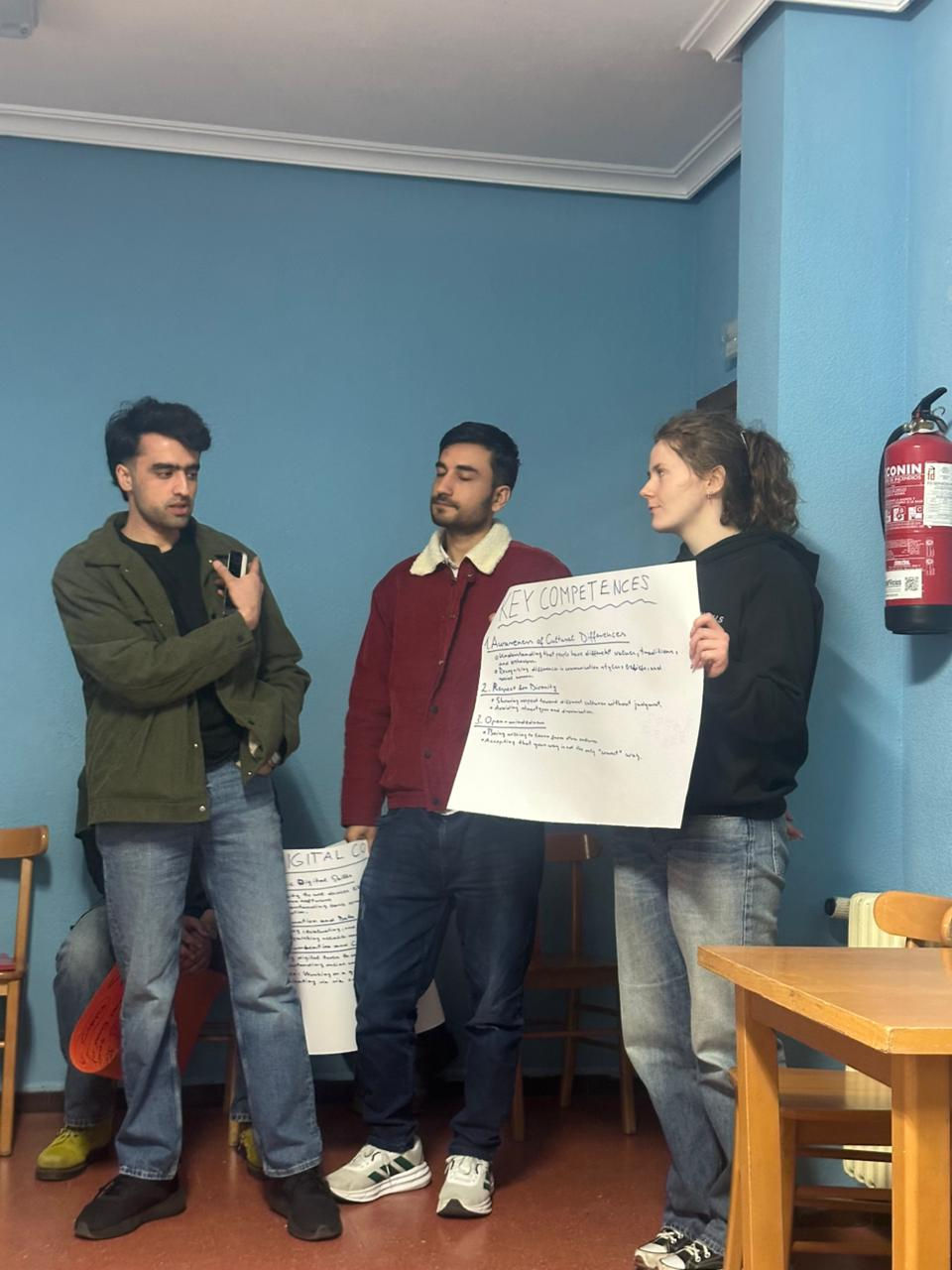
Participants also explored how digital communication can support environmental advocacy by learning the importance of visibility campaigns and public engagement. Discussions on creating social media content highlighted how awareness initiatives can reach wider audiences, encourage community participation, and promote climate action beyond the project itself. At the same time, practical analysis of heat maps enabled participants to interpret environmental data, identify patterns of inequality, and better understand the connection between urban infrastructure, income levels, and access to healthier living conditions.
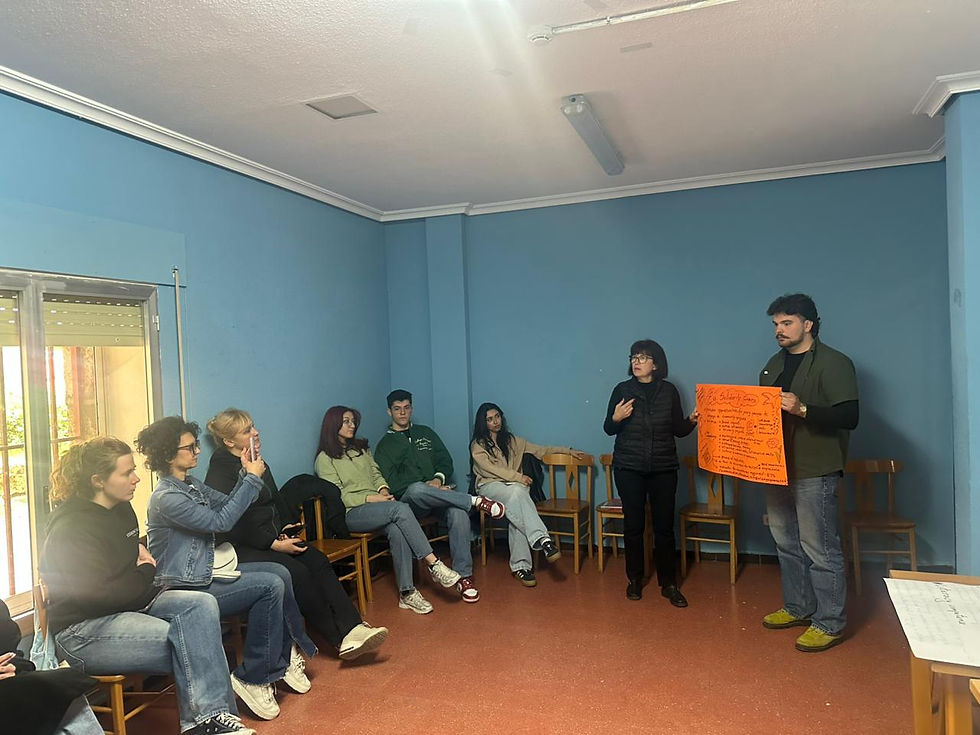
The programme further emphasized that climate change is not only an environmental issue but also a matter of equality and human rights. By examining the experiences of vulnerable communities, participants reflected on how extreme heat disproportionately affects low-income populations, migrants, older adults, and people with disabilities. Collaborative discussions and problem-solving activities encouraged participants to develop practical, rights-based solutions while strengthening their commitment to environmental justice, inclusive urban development, and active citizenship in their own communities.