Urban Inequality: Raising Awareness for Climate Justice in Cities
- Apr 20
- 2 min read

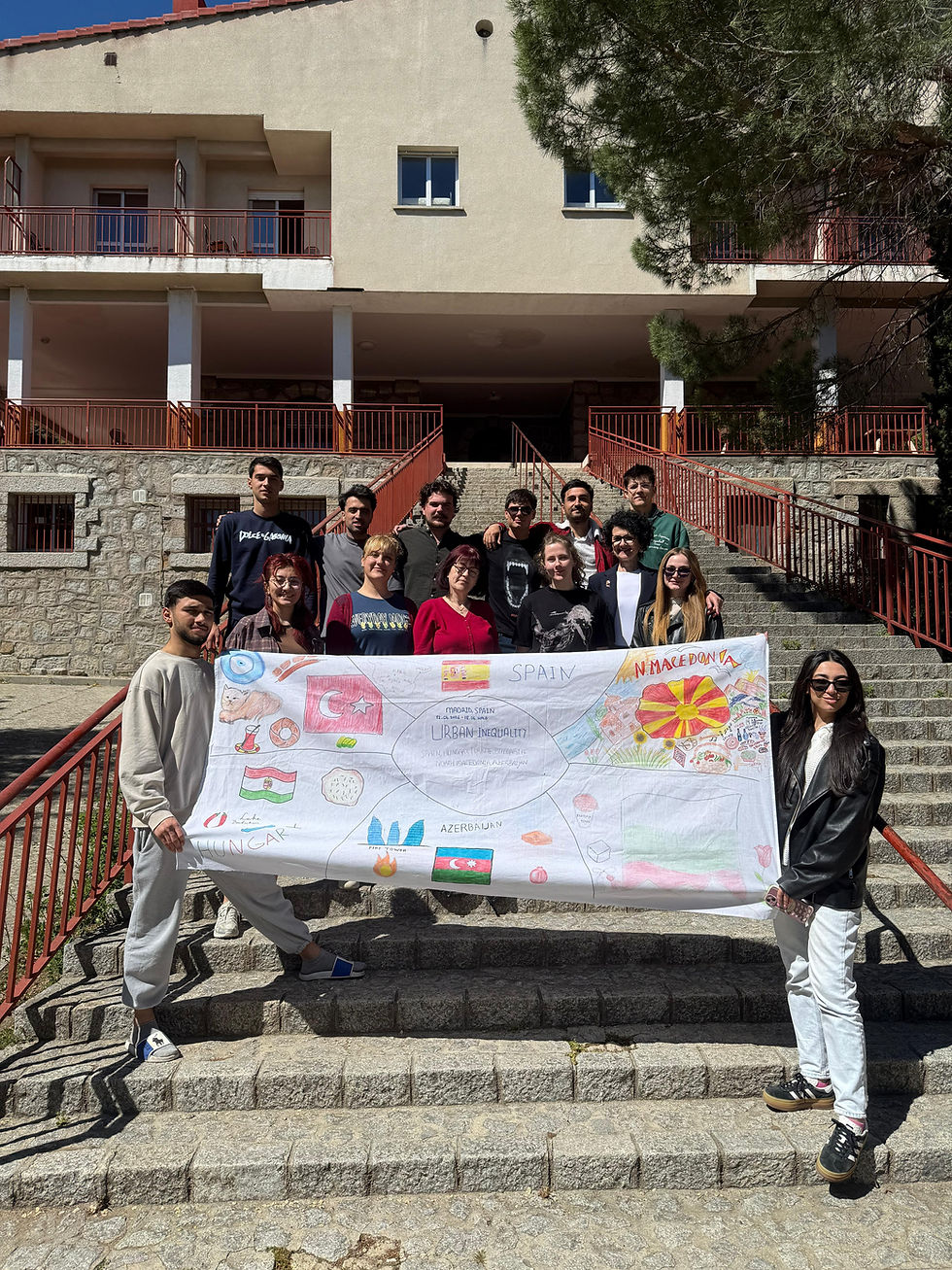
Urban Inequality is an Erasmus+ KA153 – Mobility of Youth Workers project (Project No: 2025-3-ES02-KA153-YOU-000373499) organized by KUFF Refugees and Minorities Solidarity Association. The project took place in Madrid, Spain, between 12–18 April 2026, bringing together youth workers and participants from Spain (KUFF Refugees and Minorities Solidarity Association), Türkiye (İsrafla Mücadele Platformu), the Republic of North Macedonia (OOU Vlado Tasevski), Hungary (Phoenix Rising Youth), Azerbaijan (Modern Youth Public Union), and Bulgaria (I am you peace global). The mobility focused on exploring the relationship between the urban heat island effect, environmental justice, and urban inequality while equipping participants with practical knowledge, creative tools, and non-formal education methods to promote more sustainable and inclusive cities.
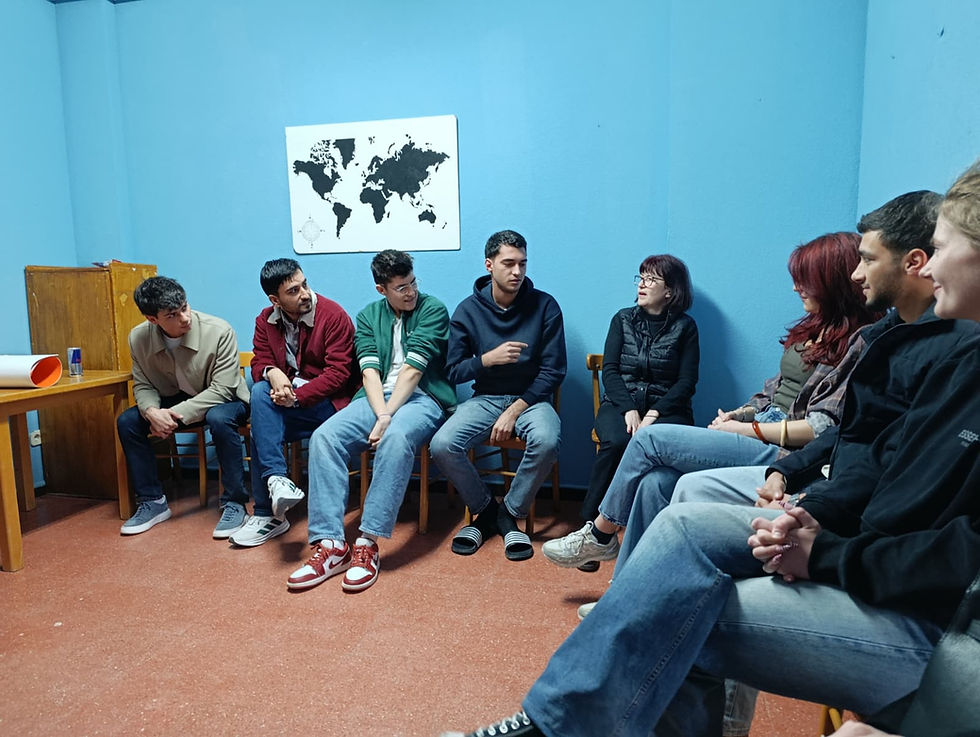
The learning process began with activities designed to assess participants' existing knowledge and personal experiences regarding the heat island effect. Rather than simply providing information, the sessions encouraged participants to reflect on the environmental conditions in their own neighborhoods, identify local inequalities, and recognize the importance of green spaces and sustainable urban planning. By connecting scientific concepts with everyday life, participants developed a deeper understanding of how climate change and urban design influence social well-being.
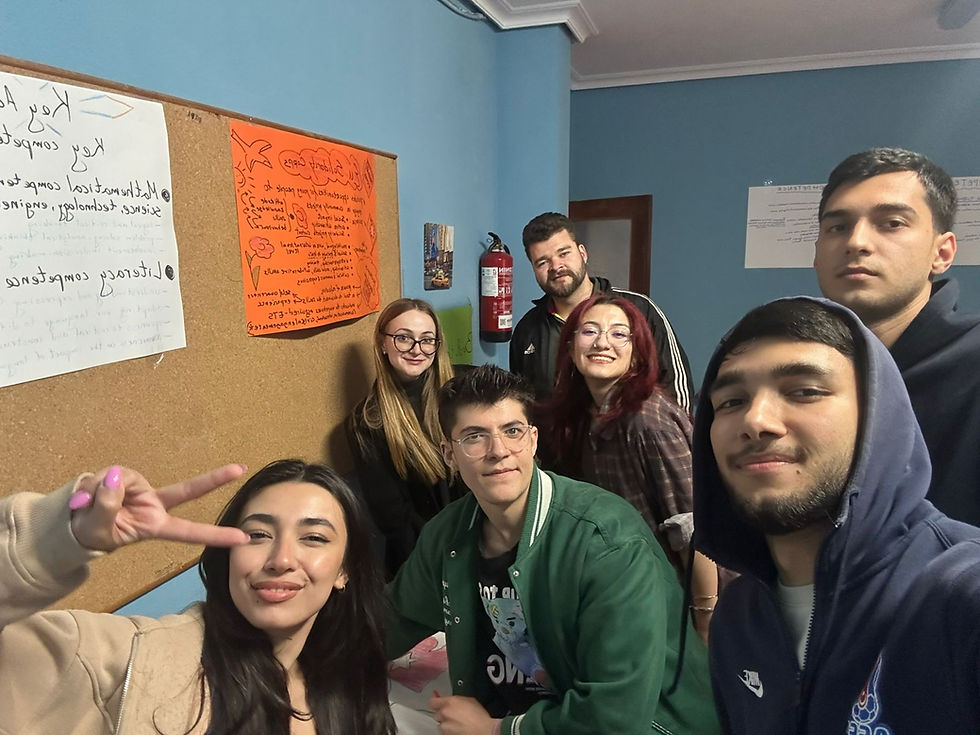
Building an inclusive and supportive learning environment was another important objective of the programme. Interactive icebreaker activities encouraged participants to introduce themselves, discover common interests, and establish trust within the group. These exercises promoted intercultural dialogue, strengthened communication skills, and created a collaborative atmosphere where everyone felt comfortable sharing their experiences and perspectives throughout the project.
Participants also expanded their knowledge of the Erasmus+ programme and the Youthpass certificate, gaining practical information about international mobility opportunities, project participation, and the recognition of non-formal learning. Through presentations, real-life examples, and discussions, they learned how Youthpass documents acquired competencies and supports personal, educational, and professional development. This encouraged participants to become more confident in pursuing future international projects and lifelong learning opportunities.
Creativity played a central role in transforming knowledge into action. Working in small international teams, participants designed banners and posters highlighting the causes and consequences of the urban heat island effect while promoting climate justice and sustainable cities. Presenting their visual campaigns strengthened their teamwork, communication, and critical thinking skills. Reflective evaluation activities allowed participants to recognize their personal learning journey, assess how their environmental awareness had evolved, and identify concrete actions they could take to contribute to greener, more equitable urban communities.