Mapping Climate Justice: Understanding Urban Inequality Through Environmental Perspectives
- Apr 29
- 2 min read
Updated: Jul 10

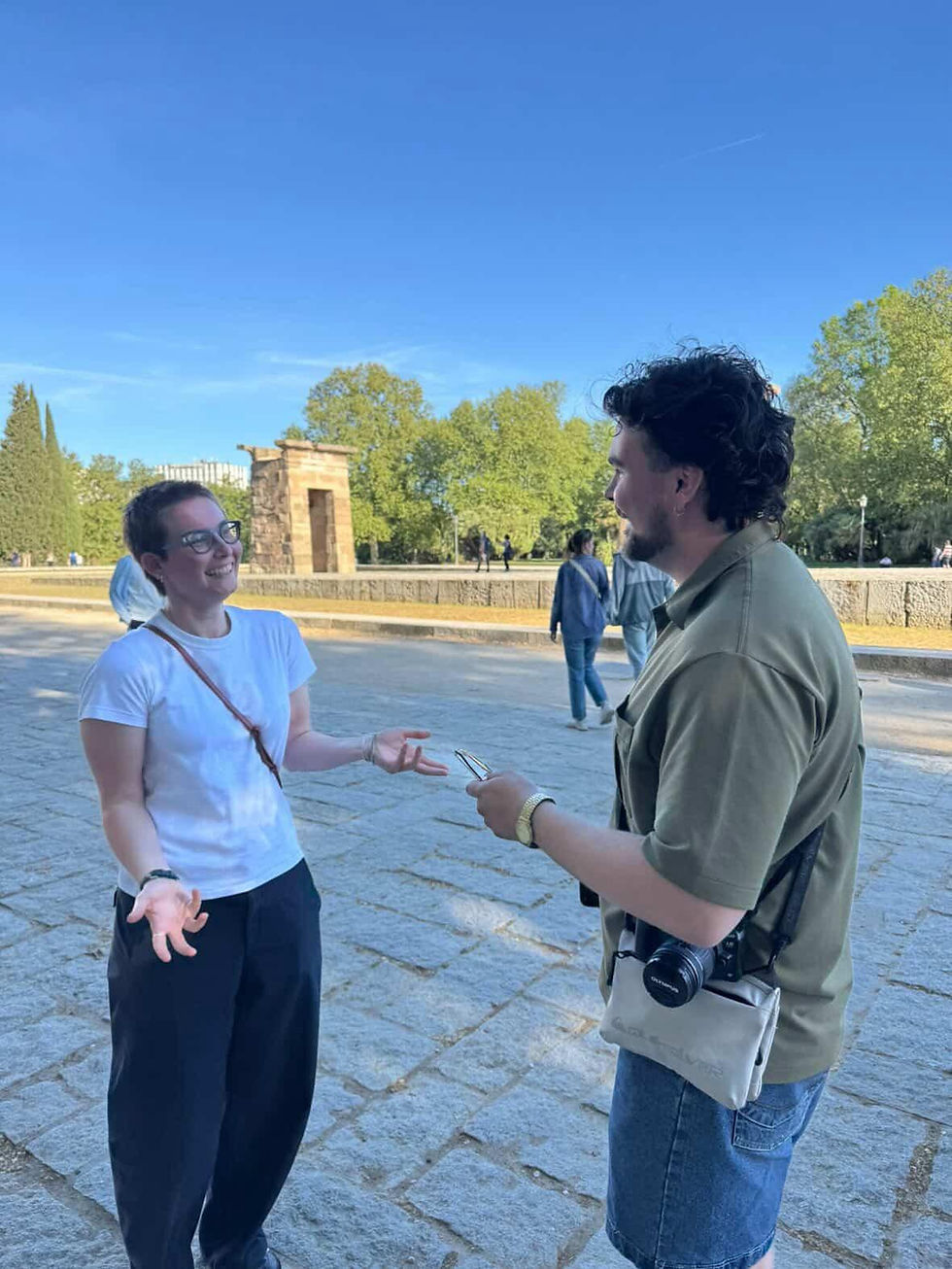
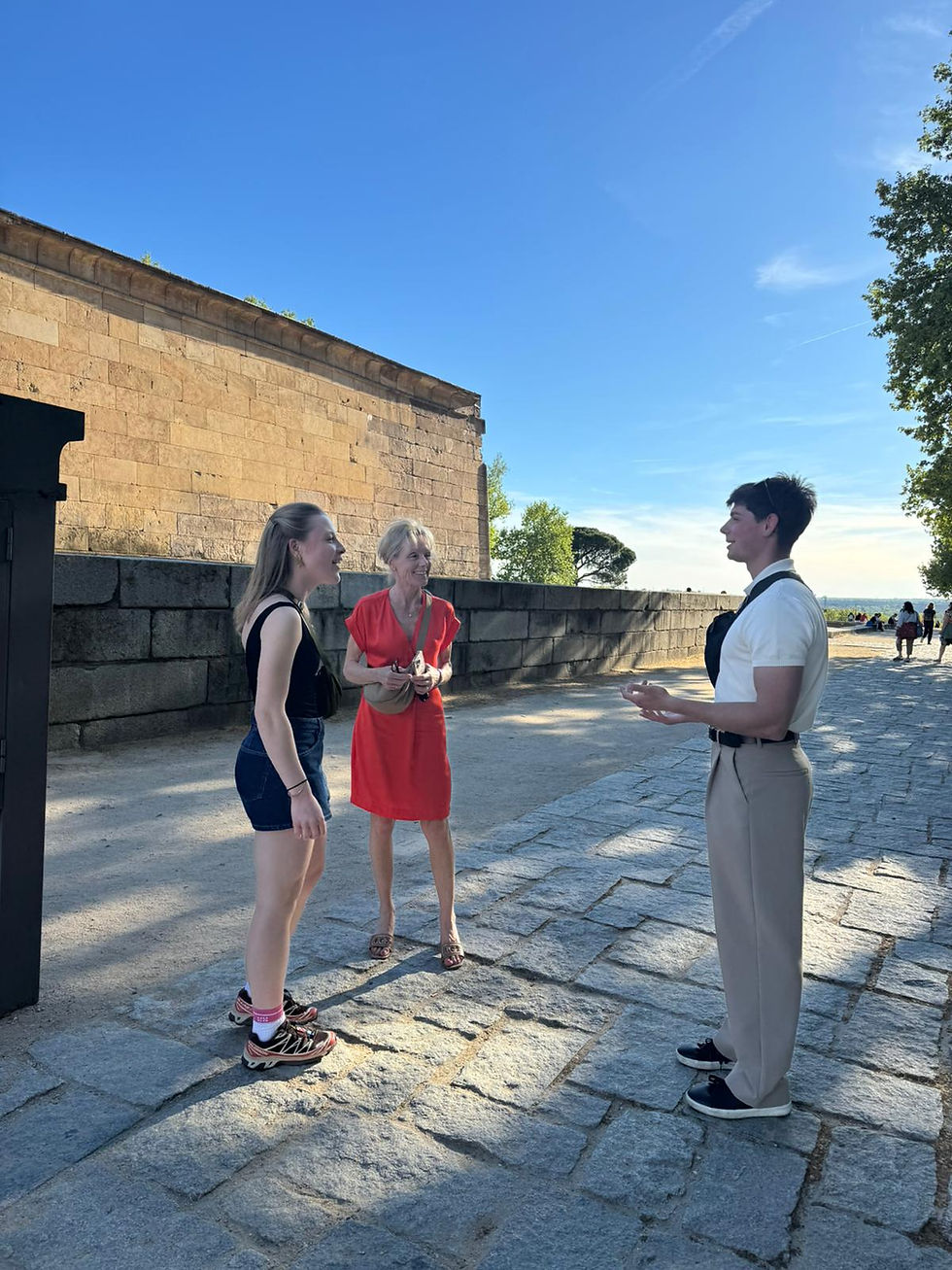
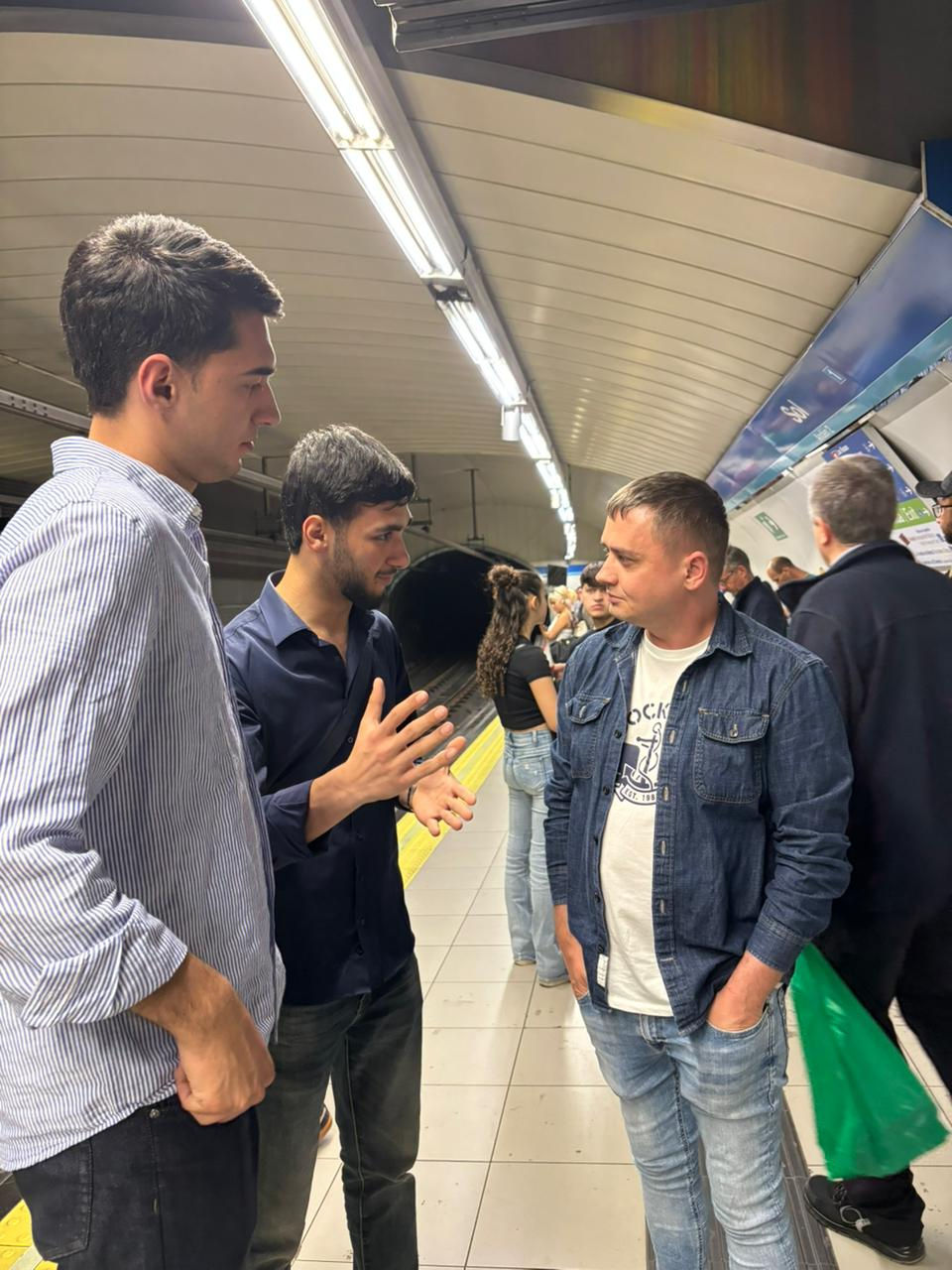
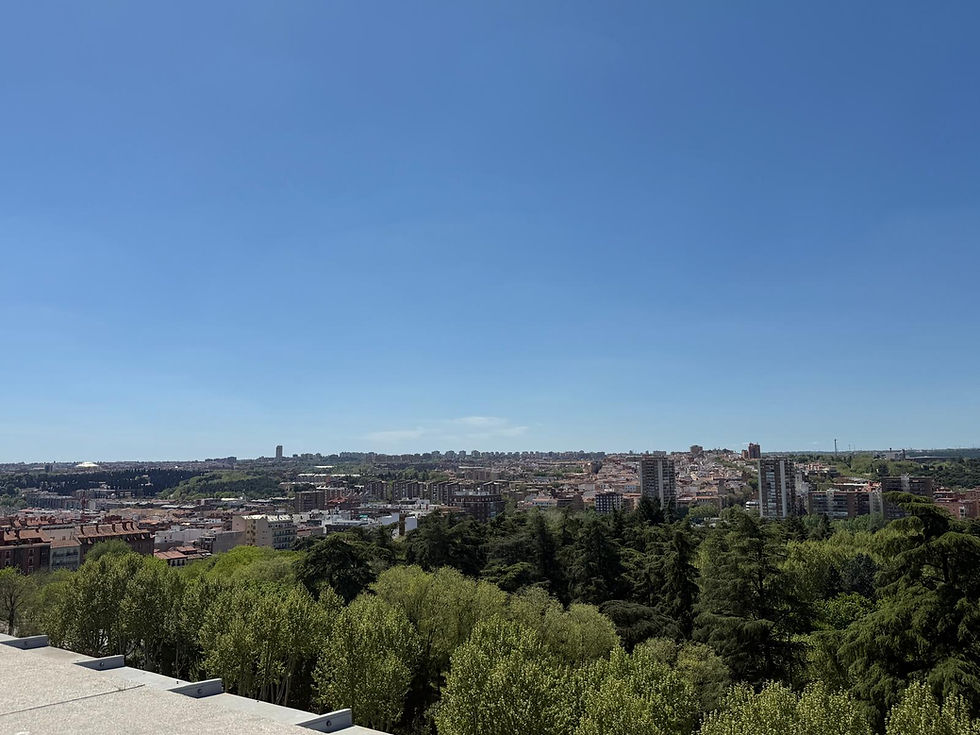
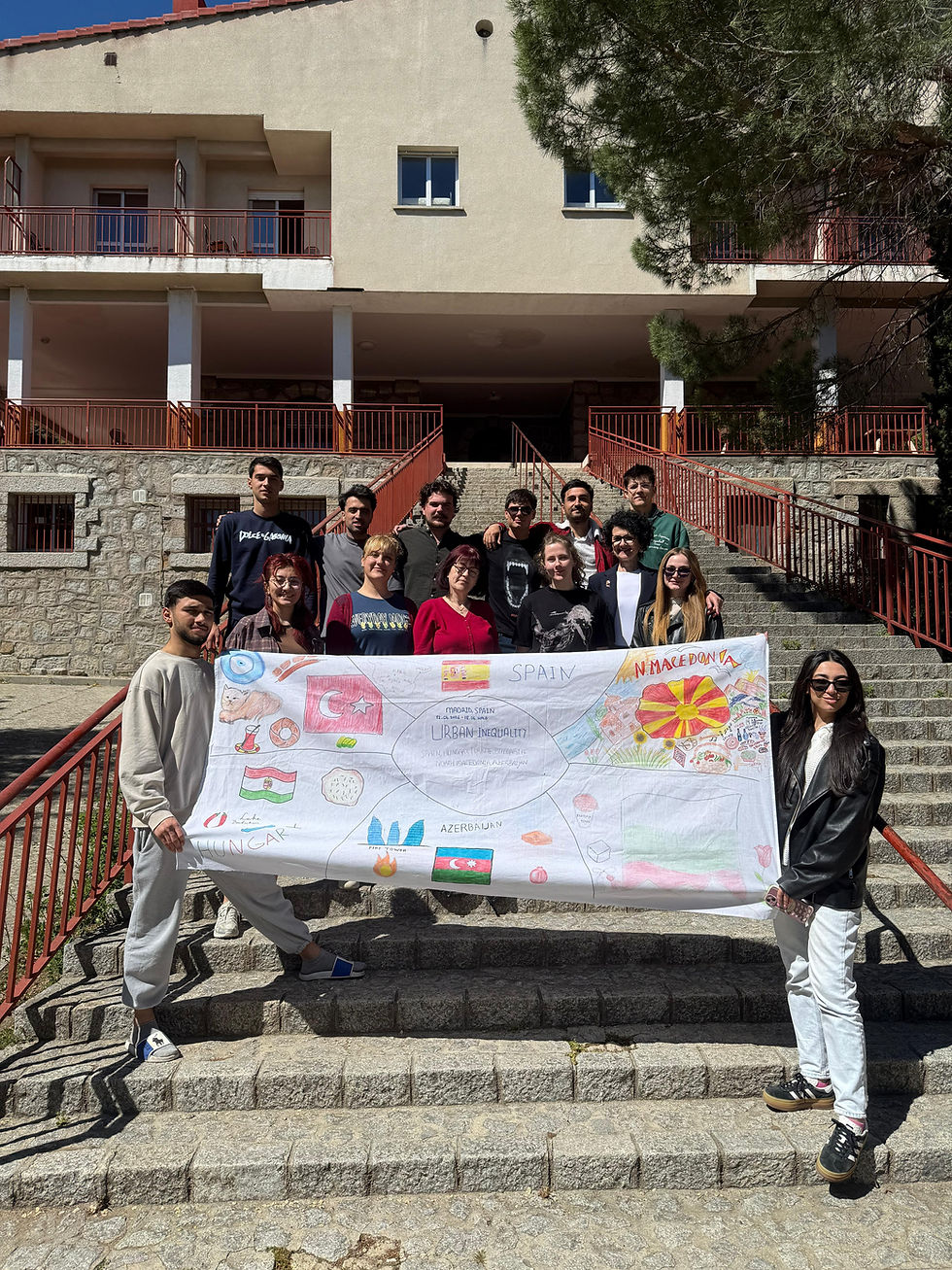
Urban Inequality is an Erasmus+ KA153 – Mobility of Youth Workers project (Project No: 2025-3-ES02-KA153-YOU-000373499) organized by KUFF Refugees and Minorities Solidarity Association. The project took place in Madrid, Spain, between 12–18 April 2026, bringing together participants from Spain (KUFF Refugees and Minorities Solidarity Association), Türkiye (İsrafla Mücadele Platformu), the Republic of North Macedonia (OOU Vlado Tasevski), Hungary (Phoenix Rising Youth), Azerbaijan (Modern Youth Public Union), and Bulgaria (I am you peace global). Through non-formal education methods, the mobility equipped youth workers with innovative approaches to addressing the urban heat island effect, environmental justice, and social inequality while fostering international cooperation and active participation in sustainable urban development.
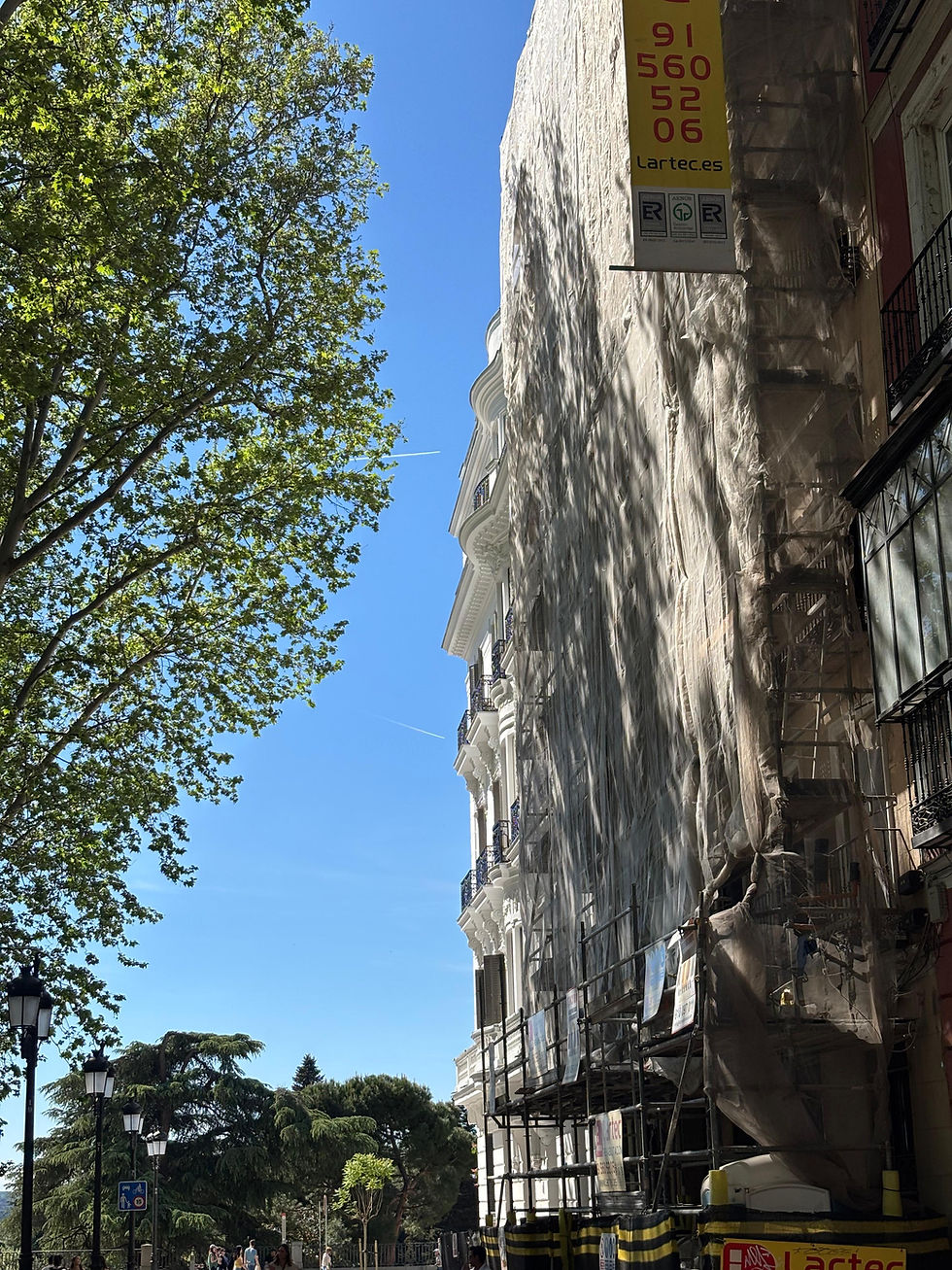
Participants strengthened their understanding of the urban heat island effect by examining how city design, green infrastructure, and socio-economic conditions influence local temperatures. Through visual presentations, neighborhood comparisons, and guided discussions, they explored the relationship between environmental conditions and social inequality. This approach encouraged participants to critically analyze their own communities while recognizing that urban planning decisions directly affect people's quality of life and equal access to healthy environments.
Practical learning activities highlighted how environmental data can be transformed into meaningful social analysis. By interpreting heat maps and comparing temperature levels, green spaces, and income distribution across different urban areas, participants developed analytical thinking skills and gained a deeper understanding of environmental injustice. These exercises demonstrated that climate-related challenges are closely connected to broader issues of equality, making complex environmental concepts easier to understand through real-life examples and collaborative discussions.
The programme also emphasized the importance of effective communication in promoting environmental awareness. Participants explored strategies for increasing the visibility of climate-related initiatives through digital platforms and social media campaigns. They discussed how creative communication, consistent messaging, and public engagement can inspire wider community participation while encouraging young people to become active advocates for sustainable cities and environmental responsibility.
A broader perspective on climate justice enabled participants to recognize that the consequences of extreme heat are not experienced equally by all members of society. Discussions focused on the challenges faced by vulnerable groups, including low-income communities, migrants, older adults, and people with disabilities, whose access to green spaces and cooling infrastructure is often limited. Reflecting on these inequalities encouraged participants to develop practical, rights-based solutions while reinforcing their commitment to environmental justice, inclusive urban planning, and youth-led social action.